Building Expansion
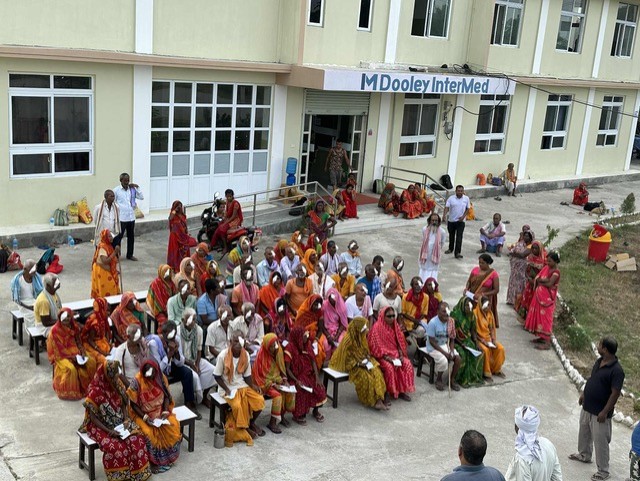
The current Eye Hospital Building is already becoming overcrowded due to the increasing patient load. During surgical camps, the shortage of space and beds forces post-operative patients to sleep on the floor in the corridors. To address this, we would like to add another floor at an estimated cost of $80,000 (the building was constructed with the option of an additional floor in mind. The required support structures and utilities were put in place during the original construction, minimizing the cost of expansion.) The new floor will be divided between patient care and dedicated staff quarters, reducing costs and providing timely and efficient service on-site.
Patient Bus for Screening Camps
Our outreach “eye camps” have been a huge success, and we are planning to expand the screening camps to more distant areas, including near the border of India (70-80 km distance). Many cataract patients and others needing treatment are identified, but due to a lack of transportation, we cannot bring them all to the hospital. A dedicated patient bus, estimated cost $35,000, would allow us to safely transport patients for surgery and follow-up, and also enable us to expand into new areas.
Non-Contact Tonometer (NCT)
The existing NCT in Dhalkebar is beyond repair and causing a lot of service delays. A non-contact tonometer enables swift measurement of the pressure inside the eye, an essential screening tool for glaucoma and a fundamental component of proper eye examinations. Cost $11,000.
We need your support! You have the power to enable these miracles. This Dooley Intermed / Operation Restore Sight outreach mission will prevent men, women, and especially children from a lifetime of suffering from visual impairment or blindness caused by preventable or curable infections and diseases.
__________________________________
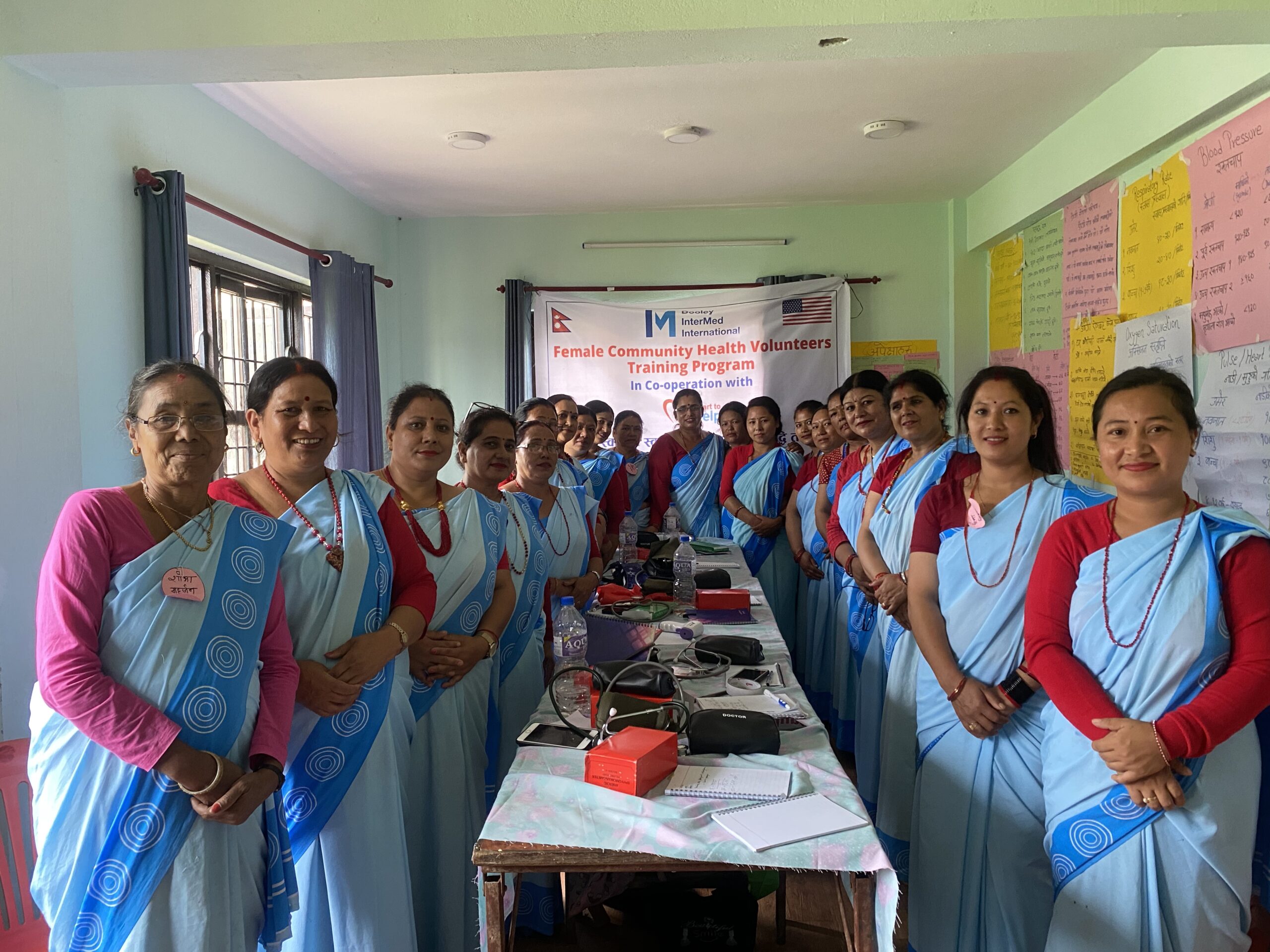
Female Healthcare Volunteer Training Program
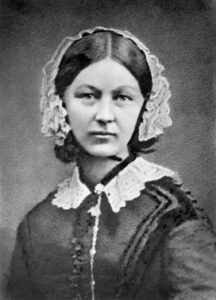
An article in the British publication Lancet referred to these incredibly dedicated female healthcare providers as “The Florence Nightingales of Nepal.” Florence Nightingale was a hero and considered to be the founder of modern nursing. In 1844, she gave up a life of comfort and privilege, against her parents’ wishes, to pursue nursing. She was so dedicated to nursing that she often cared for patients at night, by lamplight, instead of sleeping. That is how she acquired her nickname, “the Lady with the lamp.” Her pioneering efforts reduced hospital deaths by two-thirds!
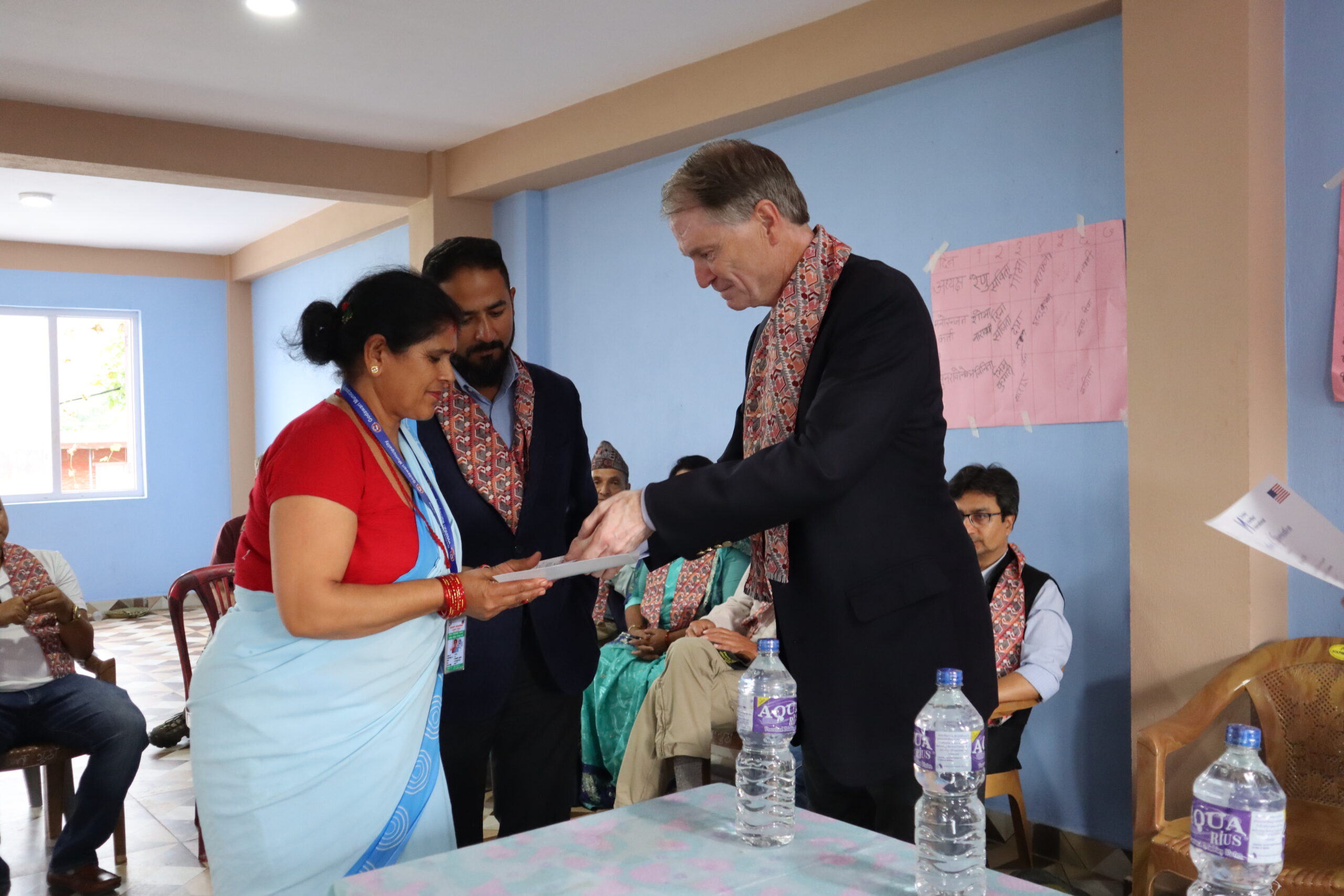
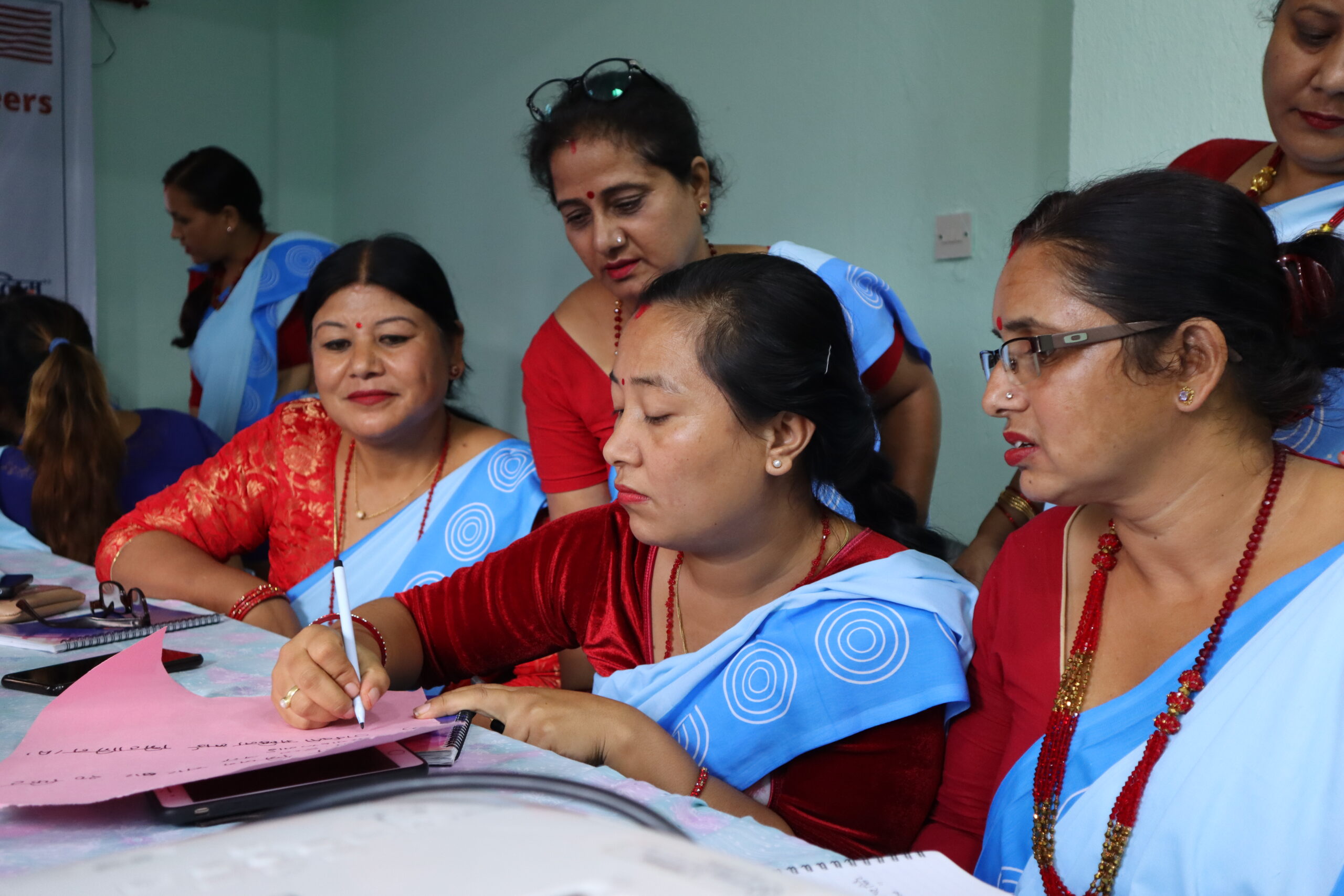
In her spirit and honor, Dooley Intermed initiated a series of training programs for female healthcare workers in Nepal, empowering these women with new skills and knowledge to enhance the quality of care rendered in remote villages. Our programs each train 20+ carefully selected candidates from remote villages who participate in an intensive 40-hour training program. Upon successful completion, each graduate receives a comprehensive portable medical kit equipped with a stethoscope, blood pressure cuff, thermometer, scale, medical references, and basic supplies. Most importantly, they are empowered with new knowledge, skills, and the professional contacts needed when more advanced medical advice and referrals are required.
Traveling on foot along trails to outlying communities, they serve as the frontline healthcare workers, helping to eradicate diseases, treating childhood illnesses, and providing vital medical aid to people with nowhere else to turn.
The need for this type of training is enormous. Based on the great success of our previous Dooley Intermed training programs, word has spread, and we are now receiving multiple requests from volunteer healthcare workers in many other villages seeking similar training.
It costs $5,000 USD to conduct a complete training program including professional instruction, textbooks, reference materials, a medical kit for each graduate, and a modest stipend to cover the cost of food and transportation to enable women from very poor villages to attend.
Please consider sponsoring a class to empower these truly remarkable female healthcare workers, the “Florence Nightingales of Nepal” to help bring ongoing medical care to remote villages in one of the world’s most impoverished countries.